

Visit Us
- Restaurant St, Delicious City,
London 9578, UK - Open: 9.30 am - 2.30pm
- booking@domainame.com
Booking request
The Great Migration: Luxury Safari in Motion
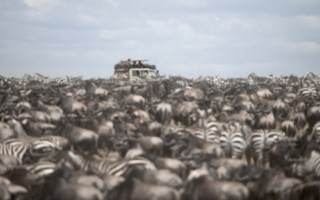
You’ve seen the documentaries. The thundering hooves. The endless plains. The river crossings that stop your breath. But nothing prepares you for the real thing when you’re right there, close enough to feel the ground shake beneath the herds.
This is the Great Migration, and it only happens here in Tanzania.
And no, you don’t have to rough it.
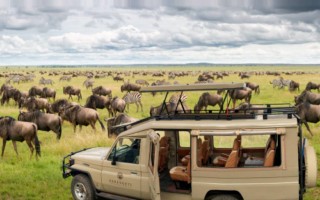
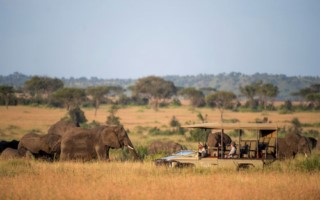
Stay in a private mobile camp that moves with the migration. Wake up to fresh-pressed coffee and the soft light of dawn breaking over the Serengeti. Your canvas-walled suite? King-size bed. En-suite bathroom. Hot showers. Real luxury in the middle of nowhere.
Your guide isn’t just a driver. He’s a tracker, a storyteller, a host. One who knows where the big cats are likely hunting this morning. One who spots the first zebra long before you do.
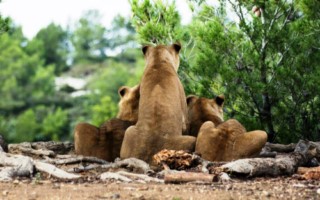
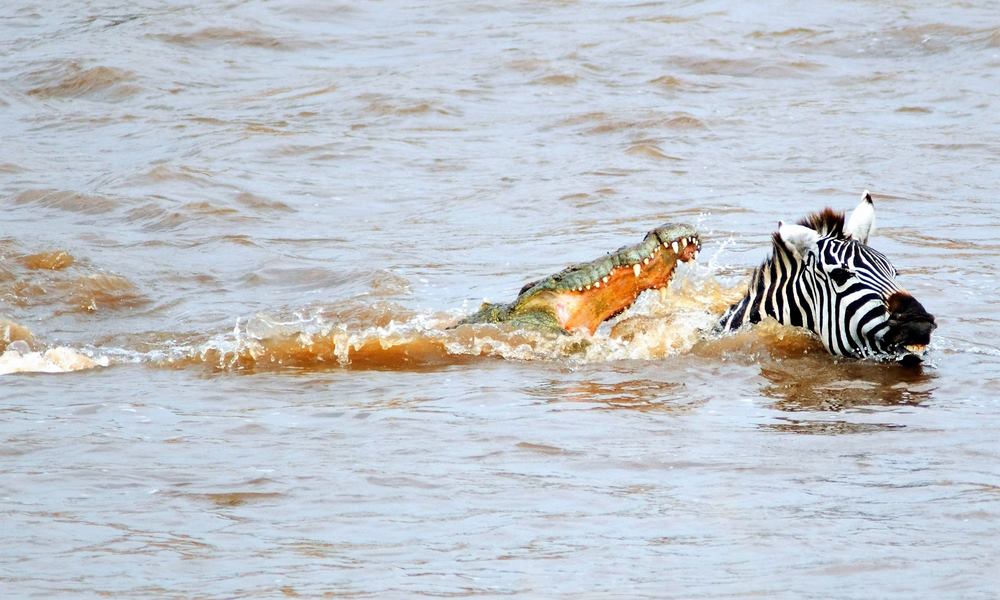
You’ll witness hundreds of thousands of wildebeest on the move. Crocodiles lurking at the Mara River. Lions flanking the herds. And you, in the middle of it all safe, calm, eyes wide.
In the afternoon, return to camp for chilled drinks, a plunge pool, and chef-prepared meals served under open skies. The migration may be wild, but your experience is anything but chaotic.
This is safari for people who want more than a bucket list photo. It’s for people who value privacy, pacing, and perspective.
No tour groups. No buffet lines. Just real Africa, the way few get to see it curated, seamless, and utterly unforgettable.
And here’s the thing: the migration waits for no one. This moment is fleeting. Which means there’s only one wrong time to book and thats......later.
Book your migration safari now.
Because what you’ll remember isn’t the number of animals.
It’s how it felt to finally stop chasing experiences…
and start living them.

Great Migration Safari Timetable & Best time to visit
December – March
From the months of December to March, the wildebeest and Zebra are found in the southern parts of the Serengeti, Mwiba Private Game Reserve and parts of the Ngorongoro Conservation Area as they feed on the fresh grass. Around February towards mid-March which is generally the calving period they are still in the southern part of Serengeti. The grass here is short and the wildebeest and Zebra can easily spot a predator which makes this area the best for calving.
April – May
During the months of April and May the vegetation is greatly depleted and unable to sustain the masses of herbivores. This forces the herds to start making their way to Grumeti river on the western corridor of the Serengeti.
This period is filled with heavy rain and game viewing during this time is almost next to impossible as the roads tend to become impassable.
June – July
The rains are now over! This prompts the herds to start moving towards the north and try to get to the Grumeti river. This is the place where the action start to intensify as the wildebeest and Zebra need water to drink and the river is one of the few sources of water left while the giant crocodiles lie in wait for them. For an intimate migration experience a stay at the Singita Grumeti reserve is encouraged.
During this period the herds start making their way to the Masai Mara
August – September
The herds reach the Masai Mara and the spectacular crossings begin. This high stakes drama is quite riveting when you are lucky to be in the right position. This generally a good month to be in the Masai Mara however please note that this is all completely dependent on rain, if the rain was little then the animals don’t have a reason to cross
October – December
October is still good in Masai Mara, but in November the animals start the journey back to the Serengeti because of the rainy season that is beginning in Tanzania
To find out how you can get to experience this great event please contact us below